The Oracle Temple in Siwa: Where Alexander the Great Met Amun
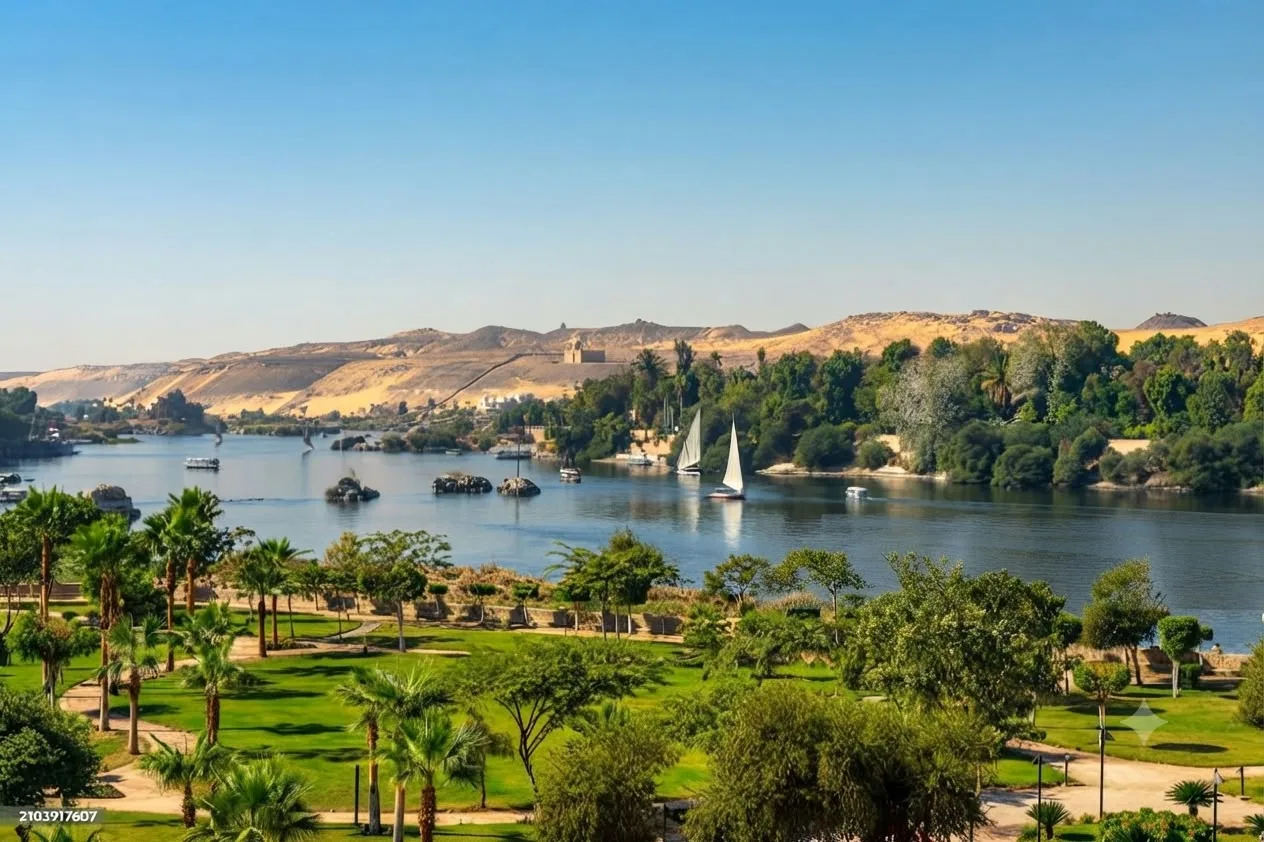
The Oracle Temple in Siwa Oasis is one of the most enigmatic and captivating archaeological sites in Egypt's Western Desert. Perched on a high rock in the village of Aghurmi, the temple overlooks vast groves of palm and olive trees. Dating back to the 26th Dynasty, this ancient sanctuary gained worldwide renown following a historic visit that altered the course of ancient history.
Alexander's Epic Journey into the Heart of the Desert
In 331 BC, Alexander the Great led an arduous and grueling march across the Western Desert toward the Siwa Oasis. This expedition was far from a mere military campaign; it was a deeply spiritual and political pilgrimage. Alexander sought divine recognition of his legitimacy as ruler of Egypt and heir to the pharaohs. Historical accounts by Greek chroniclers such as Arrian and Plutarch note that sandstorms nearly caused the army to lose its way, before guiding birds or sudden rainstorms quenched the soldiers' thirst, saving the expedition.
Secrets of the Sanctuary and Archaeological Tales
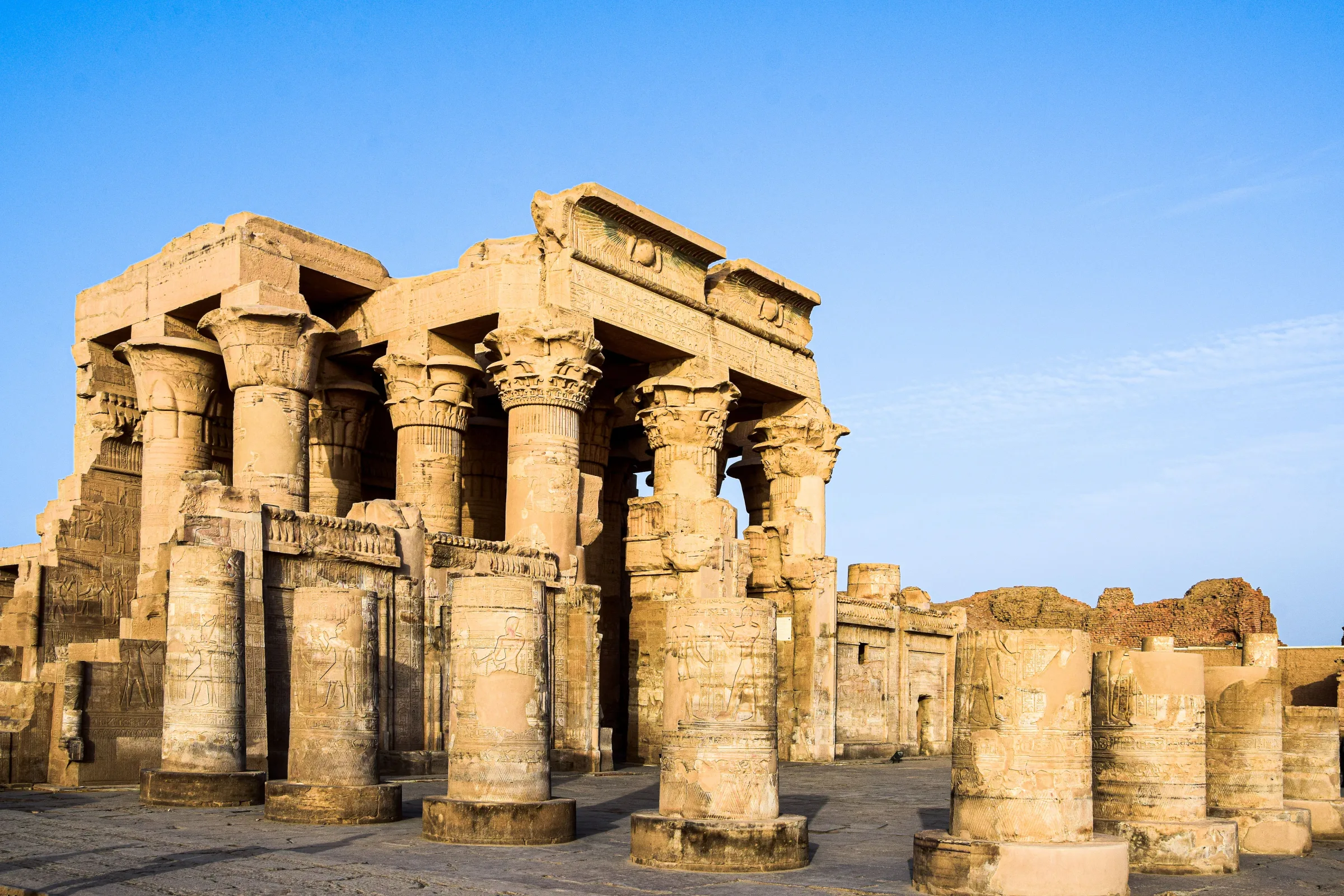
Upon reaching the Oracle Temple, Alexander entered the Holy of Holies alone to consult the high priest. Legend and transmitted lore recount that the priest addressed Alexander, hailing him as the son of the god Amun—a title that granted him absolute legitimacy to rule Egypt as pharaoh and later found the city of Alexandria. Architecturally, the temple comprises an entrance pylon, a grand court, and an inner sanctuary whose walls feature rare Pharaonic reliefs depicting King Ahmose II making offerings, alongside faint traces of ink inscriptions that still harbor unbroken ritual secrets.
The Echo of History in Siwa Oasis
To this day, the temple continues to draw researchers and travelers from around the globe, not solely for its unique architecture seamlessly integrated into the rocky terrain, but as a testament to the moment Greek mythology intertwined with ancient Egyptian beliefs. Standing among the ruins of the Oracle Temple imbues visitors with a profound sense of antiquity and the majesty of the empires that converged on Egyptian soil, leaving a timeless monument to a visionary commander who reshaped human history from the heart of the Egyptian desert.