A Tour Inside Egypt's Historic Palaces
Historic architecture takes us on a journey through time. When it comes to modern Egyptian history, the palaces of Muhammad Ali Pasha's dynasty are not merely royal structures; they are living works of art embodying the fusion of Eastern and Western arts, encapsulating stories of grandeur, diplomacy, and the daily lives of kings and princes who ruled the country for decades.
Abdeen Palace: Witness to Egypt's Political History
Located in downtown Cairo, Abdeen Palace stands as the jewel of the modern era and a symbol of both royal and republican rule. Khedive Ismail ordered its construction in 1863 AD to serve as the official seat of government, replacing the historic Citadel.
The palace features hundreds of luxurious rooms and halls, such as the White and Green Salons designated for receiving official guests. The magnificence of Abdeen extends beyond its architecture; it houses a unique complex of museums, including the Arms Museum, the Royal Gifts Museum, and the Decorations and Medals Museum, which narrate intricate details of Egypt’s international relations during that era.
Prince Muhammad Ali Palace in Manial: A Unique Architectural Masterpiece
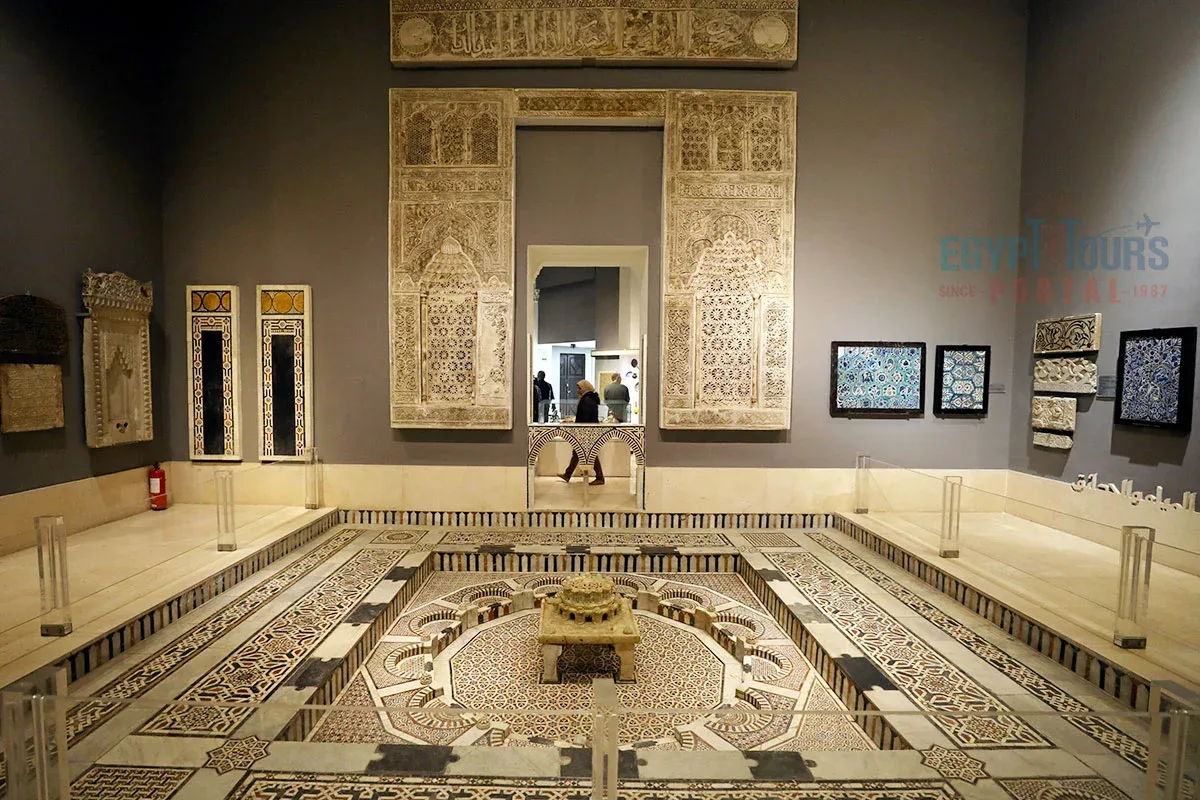
On the Nile of Roda Island stands the Prince Muhammad Ali Palace, one of Egypt’s most important historical museums, reflecting its owner's passion for Islamic and Oriental arts. Construction of the palace took about thirty years, blending Fatimid, Mamluk, Ottoman, Andalusian, and Persian styles.
The complex consists of several residences, most notably the Reception and Residence Palaces, in addition to the palace's unique mosque and a rare garden featuring trees brought specifically from around the world. Every corner here speaks of art, from gold-decorated wooden ceilings and embedded ceramic tiles to intricate mashrabiya screens casting enchanting visual patterns.
The Pulse of Royal Life and Refined Taste
These palaces transcended their roles as administrative seats to play a pivotal role in shaping taste and culture. They hosted an elite circle of thinkers, artists, and diplomats, while their gardens were designed as tranquil oases combining tropical plants with classic European layouts.
"A tour inside Egypt's historic palaces is not just a viewing of decorated walls, but a revival of a detailed historical era where global arts met a deeply rooted Eastern identity."