Mohamed Ali Palace in Shubra: A Gem of Royal Residence and Architectural Elegance
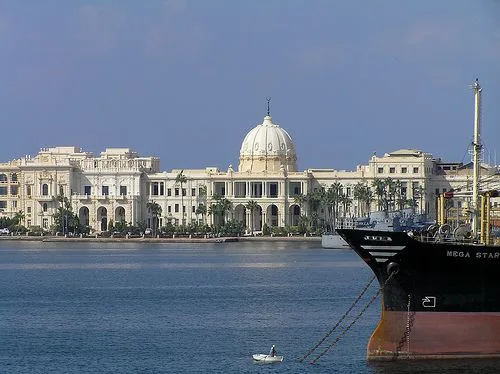
Mohamed Ali Pasha’s Palace in Shubra El-Kheima stands as one of the most magnificent architectural masterpieces constructed in Egypt during the early 19th century. Built to serve as a private residence and retreat for the founder of modern Egypt, the palace gracefully blends Eastern Islamic motifs with European classical details, reflecting refined taste and exceptional status in Egypt’s urban heritage.
An Architectural Fusion of East and West
Construction began in 1808, taking several years to create a peaceful sanctuary for Mohamed Ali away from the bustle of the Citadel. The estate introduced an unprecedented French-Ottoman layout to Egypt, defined by vast lush gardens surrounding separate residential pavilions. Inside, the residence featured grand halls decorated with rich carpets, gilded ornamentation, and ornate Baroque and Rococo details, turning the palace into a living canvas of cultural exchange.
The Great Basin Pavilion (El-Foskeya) and Royal Luxury
The most iconic highlight of the palace complex is the "El-Foskeya Pavilion"—a massive central water basin encircled by marble arcades and elegant kiosks. Designed for private leisure and high-profile celebrations, it features a central marble fountain adorned with statues spout water into the pool. The palace also incorporated state-of-the-art mechanical systems for its era to pump water and illuminate the grounds at night, combining technical innovation with royal luxury.
Historical and Cultural Significance
Beyond its structural beauty, the palace remains a vital witness to a transformative era that shaped modern Egypt, having hosted numerous foreign dignitaries and historical events. Following extensive restoration projects to restore its original grandeur, the palace stands today as a premier cultural landmark, welcoming history enthusiasts and travelers from around the globe to experience a golden age of Egyptian architecture.